
Pest Guide
Protect your home by understanding the pests invading your home.


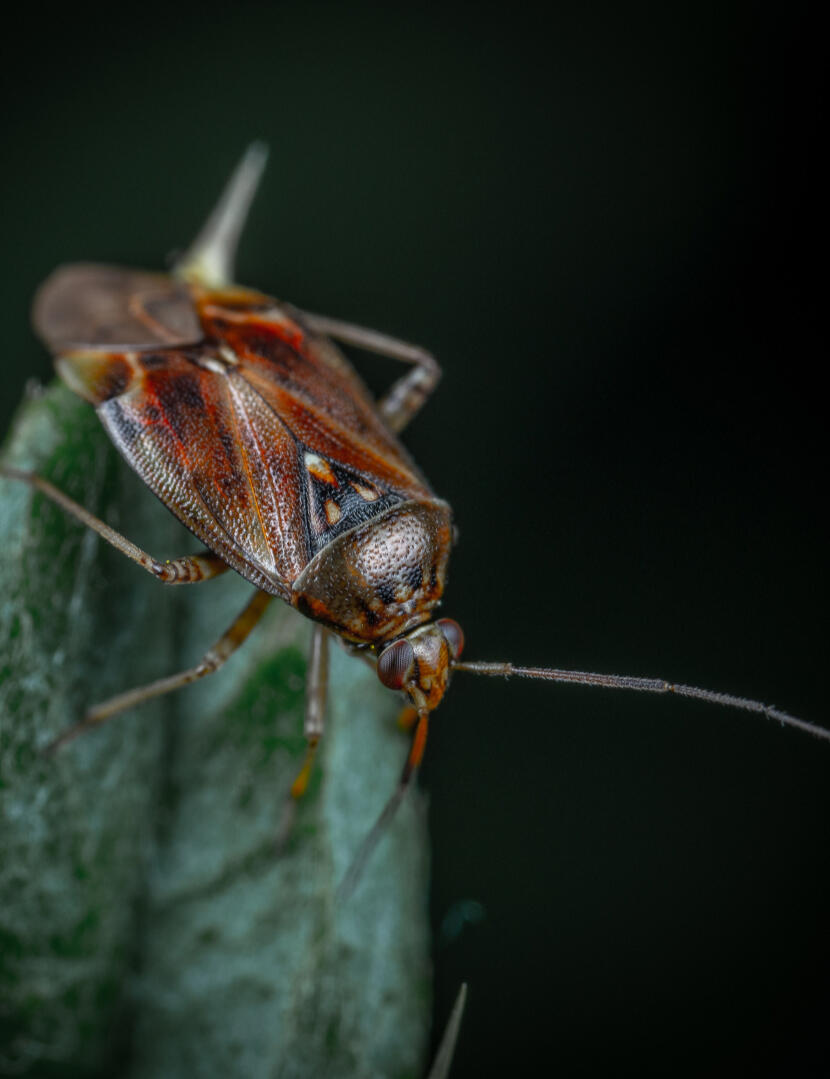
Cockroaches
| Entry | Cockroaches can access your home through many ways. They can enter your home through cracks, drainage systems, delivery boxes, newspapers, and grocery bags. |
| Environment | They live in warm, dark, and humid environments, such as crevices, under sinks, dark cabinets, and other hard-to-reach areas |
| Reproduction | Cockroaches reproduce incredibly fast. Each cockroach can hatch every 20 days with 30-48 nymphs. They have the ability to lay eggs that hatch every 20-30 days, up to 8 times in a lifetime. |
| Illness | These insects have certain bacteria and germs that trigger asthma and allergies to your family members. |
| Infestation | Leftover food, dark areas, and dirty environments can attract roaches. But even in a clutter-free home, they’re drawn to areas with too much moisture like laundry areas and bathrooms |
Solutions
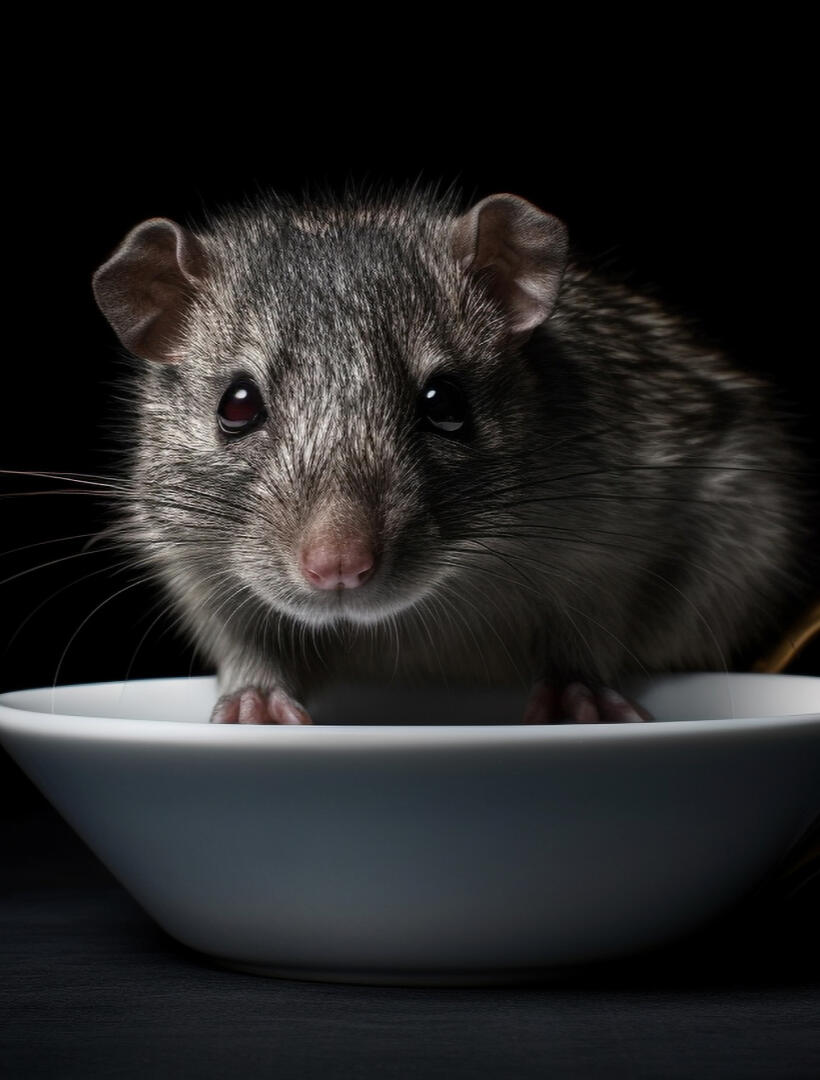
Rodents
| Entry | By squeezing under your door or through an unsealed hole, rodents have very flexible bodies that help them reach homes or businesses. They can easily travel through areas by chewing wood to create a crawl space. After a typhoon or flash flood, rodents are more likely to find shelter in your home. |
| Environment | Rodents seek shelter in buildings for warmth and food. These furry creatures can hide anywhere in places, such as tall grass in your backyard or under clutter in storage spaces. |
| Reproduction | Known as rapid breeders, female mice can give birth up to 10 times a year. |
| Illness | Rodents carry highly infectious diseases such as leptospirosis, hantavirus, salmonella, tularemia. They can spread 30 more potential illnesses and diseases. These can spread through rodent urine, feces, and bites. |
| Infestation | Common signs of an rodent infestation are chewed-on furniture, mouse droppings, urine stains. |
Solutions
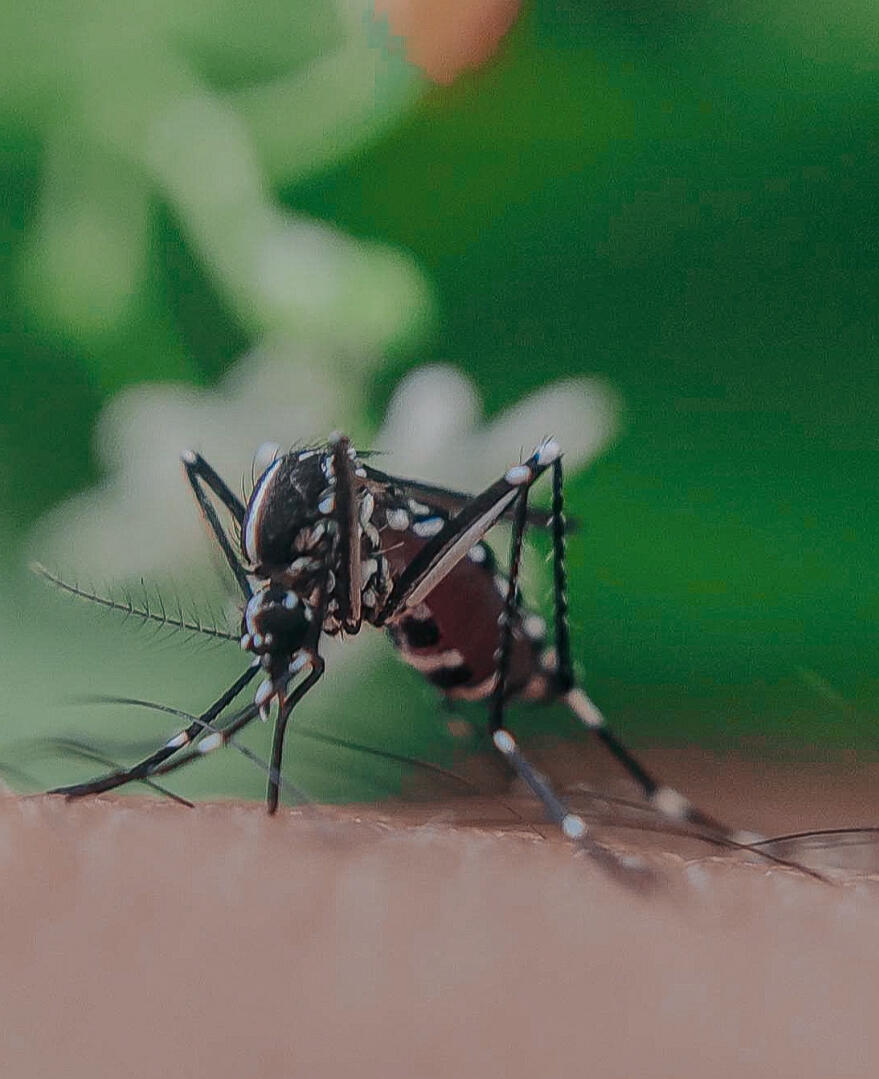
Mosquitoes
| Entry | Mosquitoes can fly through any open window, hole, or door ー even tears in a net are enough to invite these blood-sucking insects! |
| Environment | These insects thrive in any stagnant or non-flowing body of water. You can find them in areas that contain water such as pet bowls, unmaintained water tanks, dirty window sills, and or discarded car tires. |
| Reproduction | Female mosquitos are famous for depositing over 100 eggs in any form of stagnant water. |
| Illness | Every year, mosquitoes are responsible for killing millions of people. They can spread diseases such as dengue, malaria, and the Zika virus. As of 2023 in the Philippines, the DOH has reported an alarming increase in dengue cases that caused hospitilization and death. |
| Infestation | A mosquito infestation looks different for every home. But typically, infestations manifest through many mosquito bites on the body. You can find mosquitos hovering over food or around your family members. |
Solutions
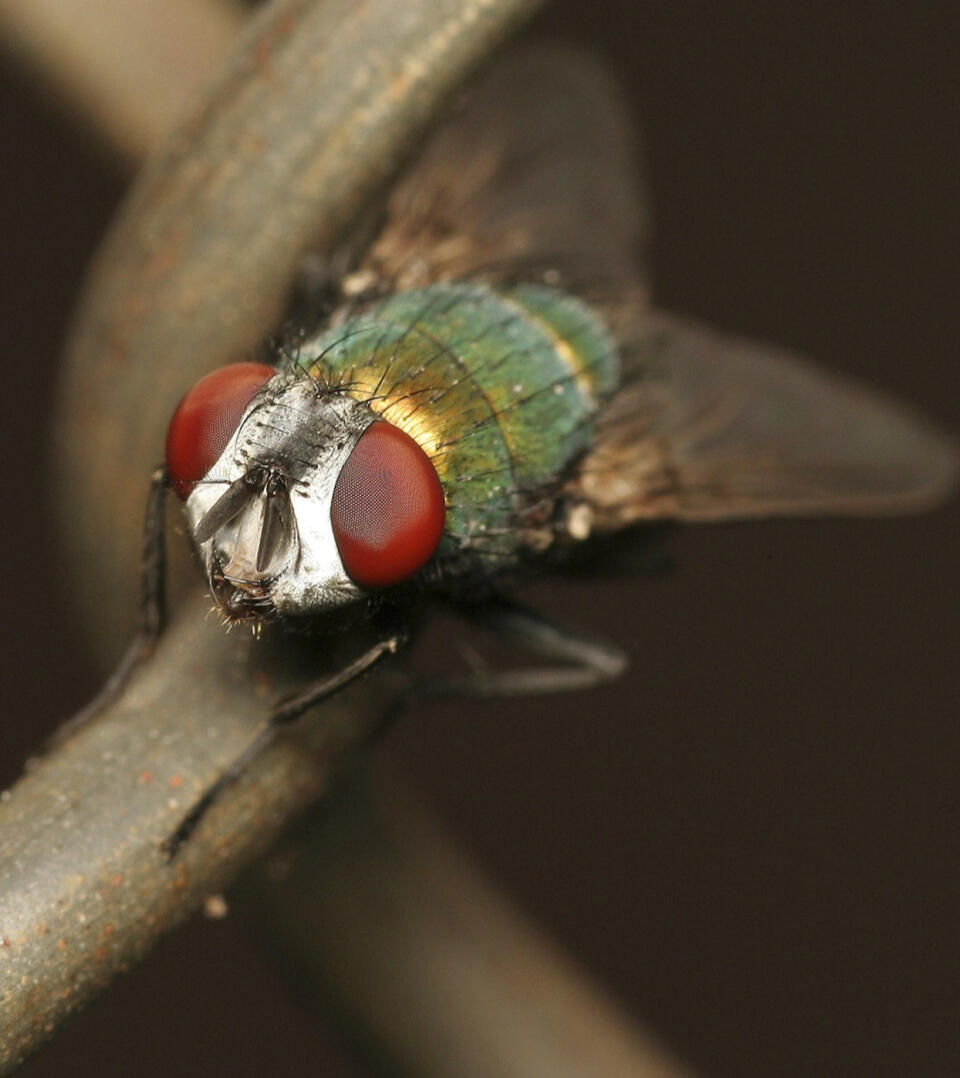
Flies
| Entry | Decaying and organic filth can easily attract flies to your home. These insects are found in your trash cans, leftover food waste, stray animal feces, and more. |
| Environment | Flies can breed anywhere in your home. You can find them in places such as your drains, garbage disposals, empty bottles and cans, trash containers, mops, and cleaning rags. They can also survive in the layer of debris that naturally builds up in pipes, traps, and drains. |
| Reproduction | One pair of flies can give birth to up to 1 million eggs in just six weeks! With its incredibly quick lifecycle, flies are notorious for being quick breeders. |
| Illness | Since flies usually visit garbage and dirty areas, these insects are capable of contaminating our food and water supply. Flies carry bacteria that are responsible for many illnesses. Flies can spread illnesses such as dysentery, typhoid, cholera, diarrhea, and severe food poisoning |
| Infestation | Flies can infest your home through large amount of food wastes and decaying matter. Neglecting clutter can also attract such pests. |
Solutions
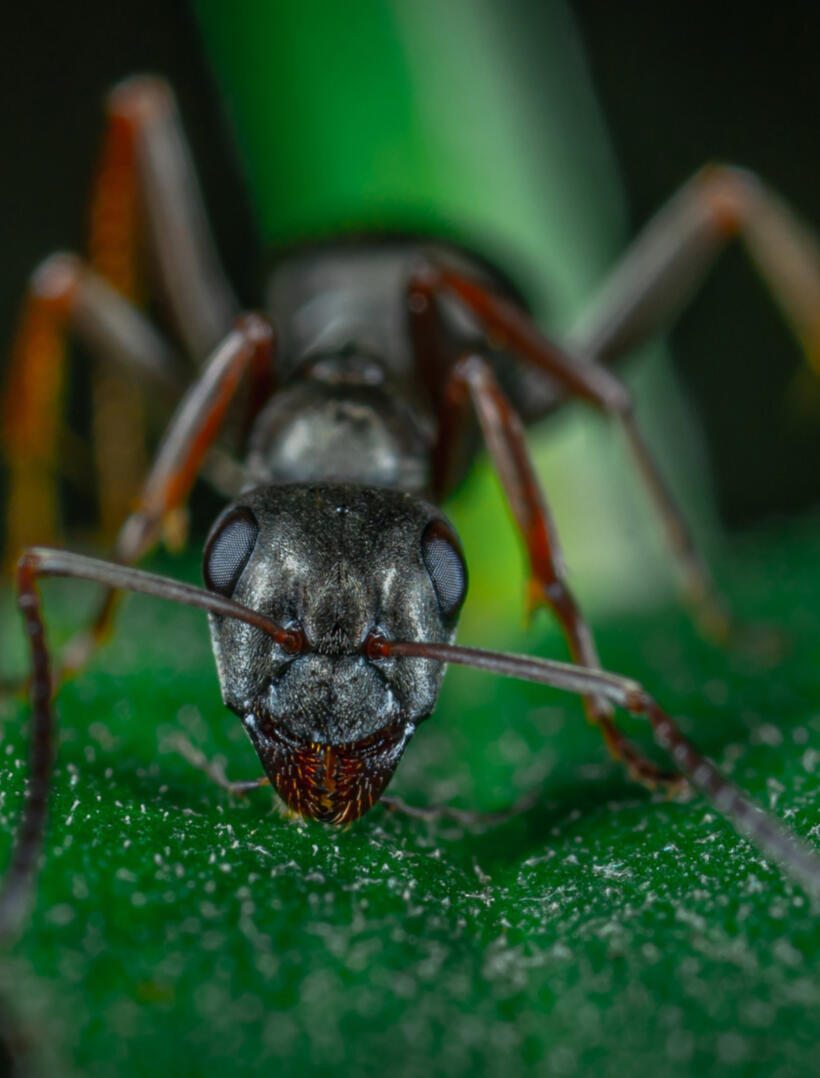
Ants
| Entry | Ants are attracted to food and water which are available in any home or areas of businesses. |
| Environment | Any dark and warm hiding spot is perfect for the common house ant. Ants easily nest under your flooring, behind baseboards, within the walls, and other areas. |
| Reproduction | With a rapid reproduction process, ant colonies can grow to up to 500,000 ants within six months to a year. When left untreated, ant colonies separate to create satellite colonies in surrounding areas. |
| Illness | Ants do not carry infectious diseases but you can find them your living or working areas. Since ants travel through, trash, dirt, and all kinds of filth, they carry all sorts of bacteria. These insects can cause itchiness through its bites. |
| Infestation | Signs of an ant infestation include finding a group of ants crawling out from cracks of your home. These ants leave a behind pheromone trail which signal other ants to travel through the area. |
Solutions
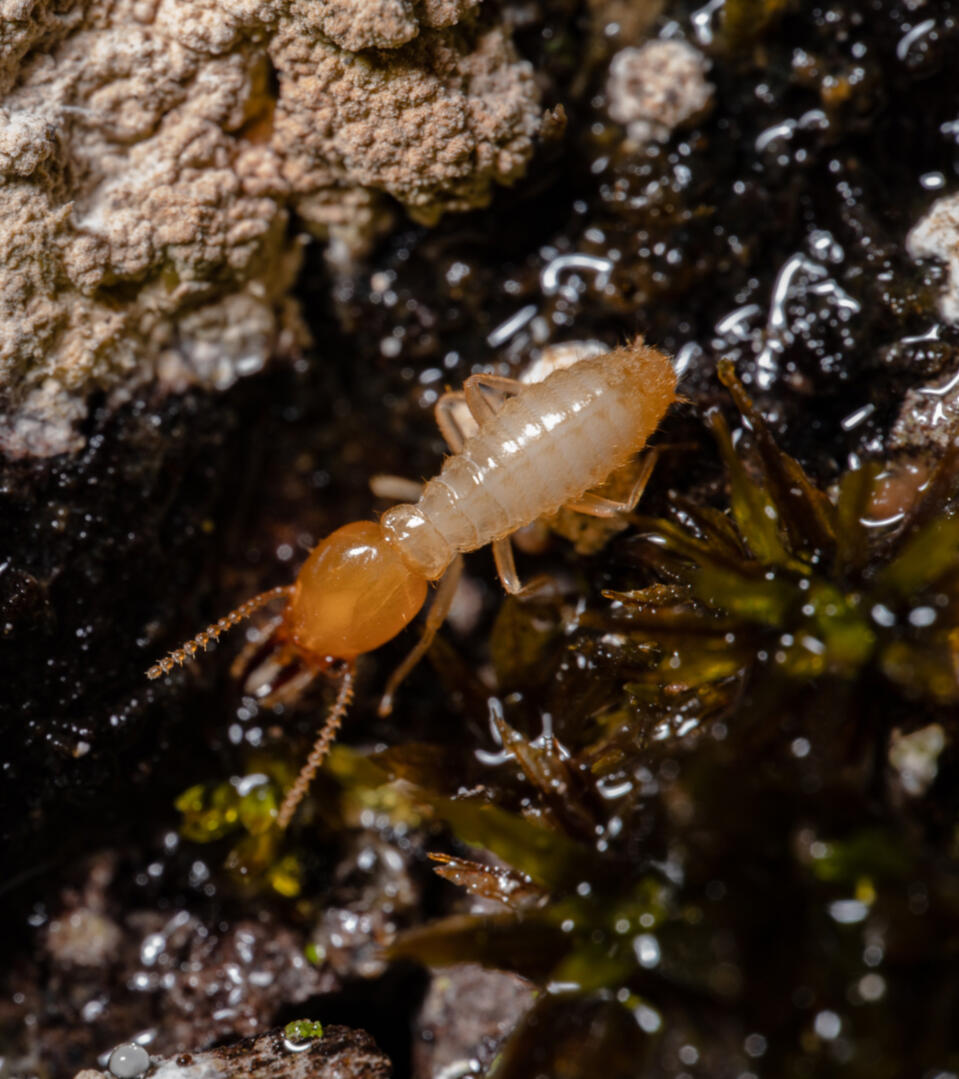
Termites
| Entry | Termites can enter your home depending on their specific species. Some termites can build underground tunnels in your porch, door frames, and more. |
| Environment | Termites are infamous for creating colonies with thousands of termites without you knowing. These insects live in residences and businesses that have with leaky pipes, poor drainage, and poor airflow. |
| Reproduction | A matured termite queen can lay thousands of eggs daily. If your home in poorly maintained, termites can live up to 50 years. |
| Illness | Termites do not carry deadly diseases. But, they can trigger several allergic reactions. |
| Infestation | Common signs of termite infestation include hollow sounding wood and flying insects on your doors and windows. If there are mud tubes on your walls or wood beams, termites are most likely living in your home. |
Solutions
References
- Cockroach Facts: 10 Facinating Facts about Roaches. (n.d.). Retrieved from https://www.pestworld.org/news-hub/pest-articles/fascinating-cockroach-facts/
- Diseases from rodents, pocket pets and rabbits—King County, Washington. (n.d.). Retrieved from https://kingcounty.gov/en/legacy/depts/health/communicable-diseases/zoonotic/facts-resources/diseases-by-animal/pocket-pets
- Do Mosquitoes Love Your Home and Yard? (n.d.). Retrieved from https://www.health.ny.gov/publications/2747/
- 8 Signs You Have a Mosquito Infestation. (n.d.). Google My Maps. Retrieved from https://www.google.com/maps/d/viewer?mid=1C_Mi6H7bXivdfXZx1XVp1aFzTDdH1CA
- How Rodents Break Into Homes | Rodent Prevention Tips. (n.d.). Retrieved from https://www.goallpest.com/how-rodents-break-into-homes
- Mosquitoes—Protect your home a checklist. (n.d.). Department of Health & Human Services. Retrieved from http://www.betterhealth.vic.gov.au/health/healthyliving/mosquitoes-protect-your-home-checklist
- Preventive Pest Control. (2018, May 21). How Fast Do Mice Multiply in Your Home? Preventive Pest Control.
- Mosquitoes—Protect your home a checklist. (n.d.). Department of Health & Human Services. Retrieved from
- The House Fly and Other Filth Flies Prevention and Control. (n.d.). Retrieved from http://www.idph.state.il.us/envhealth/pcfilthflies.htm
- The Top 5 Causes of a Roach Infestation | Zap Termite & Pest Control. (n.d.). Retrieved from https://www.zappest.com/about/our-blog/top-5-causes-roach-infestation
- Types of Ants, What They Eat & Where They Live. (n.d.). Retrieved from https://www.raid.com/en-US/education/bug-basics/what-are-different-types-of-ants
- What Attracts Ants and How Do I Get Rid of Them? - Pest Defence—News. (n.d.). Retrieved from https://www.pestdefence.co.uk/news/what-attracts-ants-and-how-do-i-get-rid/
- Why do I have cockroaches in my home? (n.d.). Retrieved from http://npic.orst.edu/faq/roach.html